
Fitness Studios in China
4 studios found
In China, the Reformer Pilates and Lagree scene is just beginning to take shape, with one dedicated studio offering these low-impact, strength-focused workouts. Both disciplines emphasize core strength, flexibility, and controlled movements, appealing to individuals seeking mindful yet challenging exercise. While the market remains niche compared to traditional fitness options, interest is gradually growing as practitioners explore these methods for rehabilitation and overall conditioning.
Fitness & wellness in China
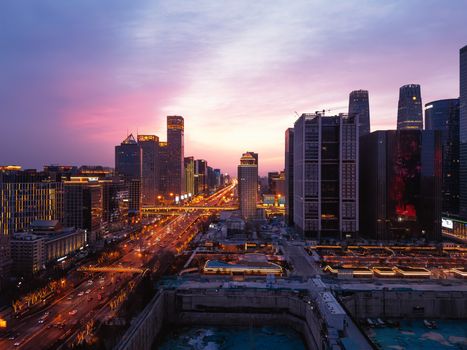
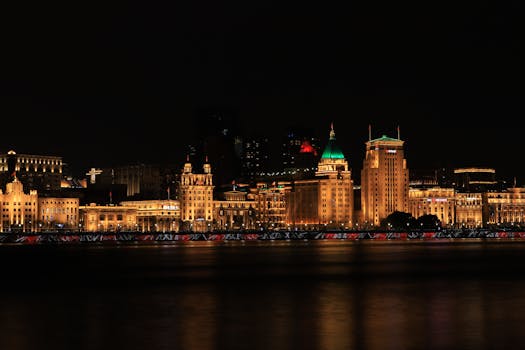
China’s fitness scene is shifting as technology and traditional exercise merge. In Shanghai and Beijing, Reformer Pilates and Lagree training have gained traction, appealing to those wanting strength without heavy impact. Outdoor group workouts remain a staple, especially tai chi and kung fu practiced in parks at dawn. Yoga studios increasingly incorporate Chinese medicine principles, blending movement with mindfulness.
Shanghai’s Xintiandi, Jing’an, and Former French Concession neighborhoods offer numerous studios catering to both drop-in classes and monthly memberships. Expect to pay between 150 and 350 RMB per session, with discounts on bulk packages common. Many gyms run early morning and evening classes to fit the commuter’s schedule, while some offer app-based check-ins and live-stream options, reflecting the city’s growing appetite for fitness driven by convenience and tech.
Frequently asked questions about studios in China
What types of fitness studios and classes are currently popular in China?
In 2026, Shanghai has seen a rise in VR-integrated fitness studios offering immersive workouts, while boutique gyms blending functional training with artistic elements pop up near Jing’an Sculpture Park. Beijing favors wellness classes influenced by Traditional Chinese Medicine, such as tai chi-qigong fusion, often held in studios around the 798 Art Zone. Outdoor group fitness linked via local apps is also popular, especially in city parks where communities gather for morning exercises.
Which neighborhoods in Chinese cities are known for having a concentration of fitness studios?
Beyond the usual hotspots, Shanghai’s Jing’an Sculpture Park neighborhood hosts innovative studios combining fitness and creative spaces. In Beijing, the 798 Art Zone doubles as a cultural and wellness hub with studios offering fusion fitness and TCM-inspired classes. Chaoyang district remains a stronghold for both boutique and chain studios, with Keep gyms and Tera Wellness popular among locals and expats alike.
What are typical pricing structures or class formats at fitness studios in major Chinese cities?
Boutique studios in cities like Shanghai and Beijing usually charge between 150-300 RMB for drop-in classes, though premium spots near Jing’an or 798 Art Zone might go higher. Local gyms can be cheaper. Many require booking in advance through apps mostly in Mandarin and sometimes tied to a local phone number. Trial or introductory classes exist but often need advance reservation and can require upfront payment or limited-use passes.
Are there any practical tips for foreigners or newcomers attending fitness studios in China?
If you’re new, download the Keep app to snag classes early—weekends fill fast, especially around Chaoyang and Jing’an areas. Most studios accept Alipay or WeChat Pay, so having those set up helps. Note that booking apps are usually in Mandarin and often require a local phone number. Many locals treat group workouts as social occasions, so joining morning tai chi in parks is a great way to connect and get a feel for local fitness culture.