
Fitness Studios in South Korea
8 studios found
South Korea hosts seven studios specializing in fitness disciplines such as Crossfit, Martial Arts, Yoga, Meditation, and Pilates. Crossfit gyms offer structured high-intensity workouts, while Martial Arts schools focus on traditional and modern combat techniques. Yoga and Meditation studios provide options for mental and physical wellness, often blending mindfulness practices. Pilates is also growing in popularity, emphasizing core strength and flexibility. These diverse offerings reflect a balanced approach to fitness and wellbeing across the country.
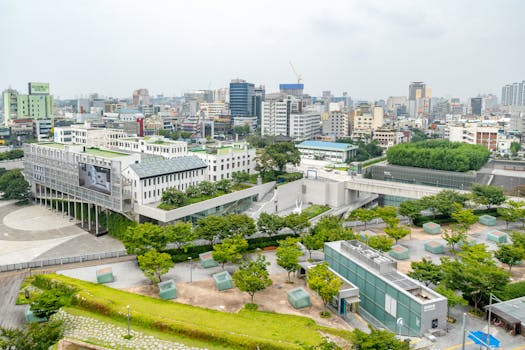

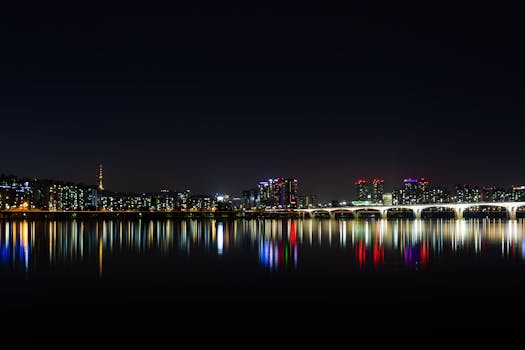
Fitness & wellness in South Korea
South Korea’s fitness scene in 2026 is moving away from large traditional gyms toward boutique studios centered on specialized workouts and tight-knit communities. FS8, which launched in 2024, integrates Pilates, Tone, and Yoga in combined classes and anchors its presence in Seongsu, Seoul—an emerging fitness district known for such studios. Meanwhile, Australian-born F45 Training has found solid footing with its high-intensity interval training (HIIT) format amid closures of conventional gyms. This shift highlights growing local demand for quality experiences over sheer gym size.
Seongsu's wave of boutique studios reflects the neighborhood’s creative, experimental vibe, while Gangnam continues to attract those seeking upscale wellness options and personalized fitness programs. Pricing varies across places like FS8 and F45, with flexible membership packages ranging from unlimited classes to limited weekly access. The overall focus is on dynamic, small-group workouts and integrated wellness, moving beyond the classic gym grind.
Frequently asked questions about studios in South Korea
What types of fitness studios and classes are currently popular in South Korea?
As of early 2026, boutique studios are dominating South Korea’s fitness scene. One standout is FS8, a Korean-born concept launched in 2024 that blends Pilates, Tone (a specialized strength segment), and Yoga into one session. Meanwhile, Australian brand F45 Training continues to draw crowds with its HIIT-format workouts. These options reflect a broader trend away from traditional gyms, which have been closing due to rising rents and shifting workout preferences.
Which neighborhoods in South Korea are known as hubs for fitness and wellness studios?
Seongsu, often called the 'Brooklyn of Seoul,' has emerged as a go-to neighborhood for boutique fitness, anchored by FS8’s flagship studio. Its industrial-chic vibe fits perfectly with fitness communities focused on innovative workouts. Gangnam, on the other hand, matches its flashy image with luxury gyms and wellness studios that attract trend-conscious locals and K-pop fans alike.
What are typical pricing structures or class formats for fitness studios in South Korea?
Monthly memberships usually range between 150,000 and 300,000 KRW depending on the studio and package. FS8 offers flexible memberships based on how often you want to attend, typically including unlimited and limited class options. F45 Training provides packages for unlimited weekly classes or fixed weekly class counts. Since pricing can vary with location, it’s best to check directly with studios, but these figures give a general sense of the market.
What should newcomers to the South Korean fitness scene know about the local fitness culture?
If you’re new here, expect to see many traditional gyms closing—this has been driven by rising real estate costs and changing lifestyle trends. Boutique studios like FS8 and F45 offer a more community-focused experience with specialized workouts that resonate well in neighborhoods like Seongsu. Locals tend to appreciate group classes that build connections alongside fitness, reflecting the cultural shift toward wellness as a social activity.